The Consumer Hardware Playbook
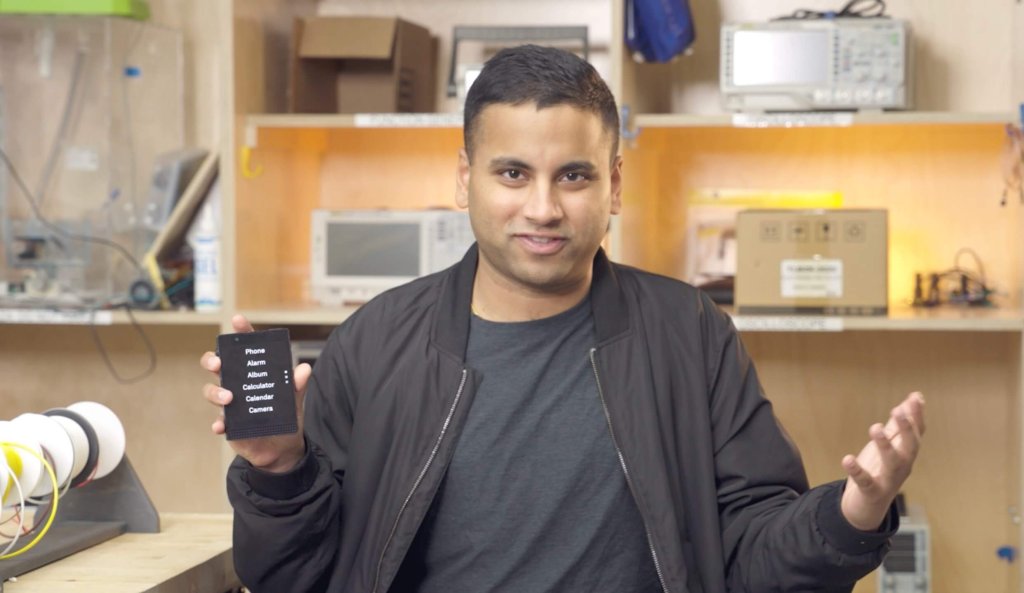
Editor’s note: This post first caught our attention when hardware founder, founder of Hardware Nation, and Chief Business Officer at Whim Ritwik Pavan posted it on X. We second the sage wisdom he shares here.
If I were building a consumer hardware startup in 2026, this is how I’d do it.
Start with three questions:
- Can someone understand it in five seconds?
- Why would they still use it in six months?
- What happens when a cheaper copy shows up?
Getting attention only answers the first. You need to have a convincing answer to the other two before committing capital.
Pick the category carefully. Earbuds, phones, and robot vacuums already have strong competitors. When you ask someone to try an unfamiliar brand, the improvement needs to matter enough for them to take that chance. Slightly better specs are a difficult place to start.
Here’s my playbook.
1. Build around a routine people already have.
You’re giving yourself a harder job when buying the product also means learning an entirely new habit. Start with something people already do and find the part they’d gladly hand over.
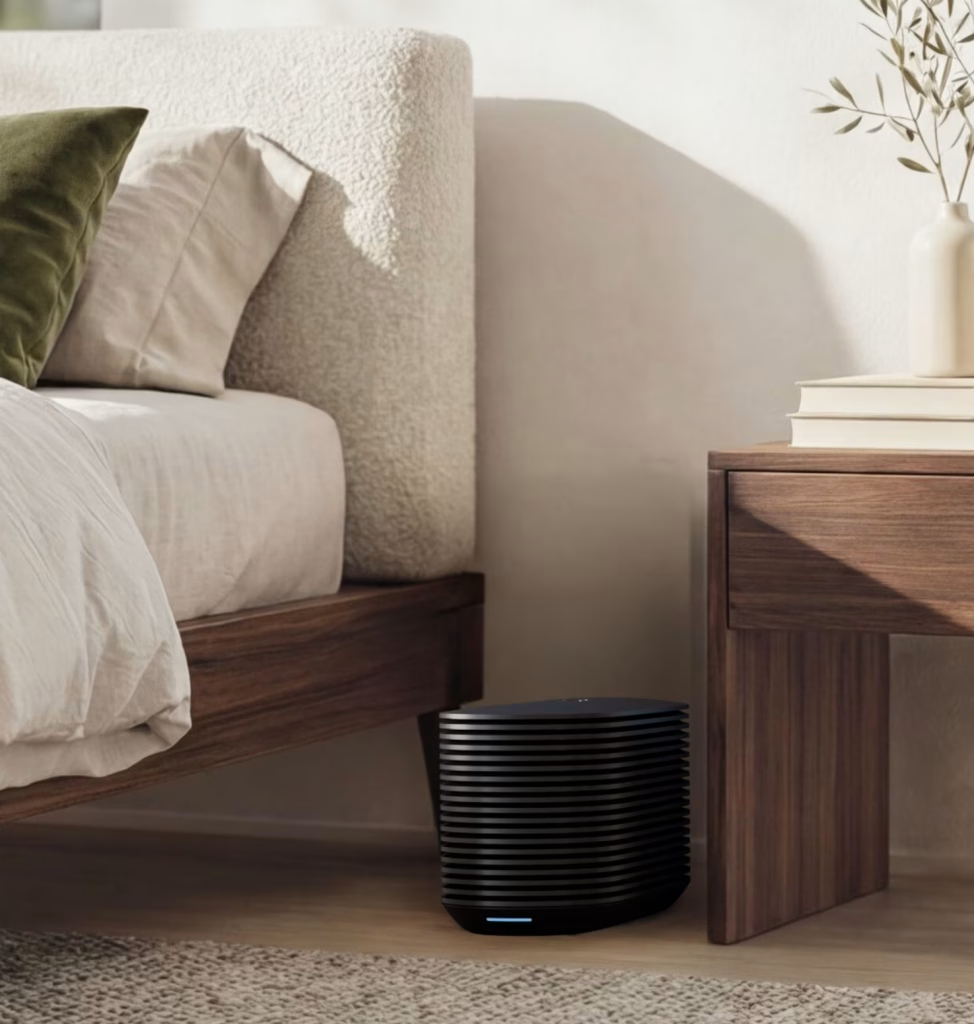
Eight Sleep’s Pod 6
For example:
- Matic uses vision to navigate and clean your home.
- Eight Sleep adjusts temperature around your sleep.
- Tonal adapts resistance as you train.
This is what makes AI interesting in hardware. The device can handle more of the decisions and adjustments someone used to make themselves.
But count all the work it creates too. If someone saves 10 minutes using it and spends 15 getting it to cooperate, you still have a product problem.
2. Find out whether strangers will pay before you build.
Put together a mockup, a landing page, and the price you actually expect to charge. Then run Meta ads to people who have no connection to you or the company.
Be transparent about what’s built, what’s planned, and how refunds work. You can learn a lot without pretending the product is ready to ship.
Email signups are a useful start. Refundable reservations tell you more, but you still have to find out how many of those people finish buying.
If you spend $20 in ads to get each reservation and only one in four becomes a purchase, you’ve spent $80 in ads per buyer, before other marketing costs.
Simultaneously, talk to engineers and manufacturers. A product people want at $199 might be a very different business if you discover it needs to cost $399. Have that conversation while you can still change the design.
3. Win the one liner before focusing on the bill of materials.
Try explaining the product to someone, then listen to how they explain it to somebody else. You’ll learn pretty quickly which part they understood and whether they thought it was worth mentioning.
If the explanation needs a full read out of the spec sheet, you probably need to work on it.
The same message should carry into the demo. Show the robot getting around a messy room or the resistance changing during a workout. Give people a reason to care before asking them to appreciate the engineering.
Then test which images and videos actually lead to purchases. An impressive demo is a great starting point, but it still needs to prove itself as an ad.
4. Plan for someone to offer similar hardware for less.
Take a capable competitor in China seriously from the beginning. They may have good engineers, good software, and a better cost structure.
What would make someone keep choosing you?
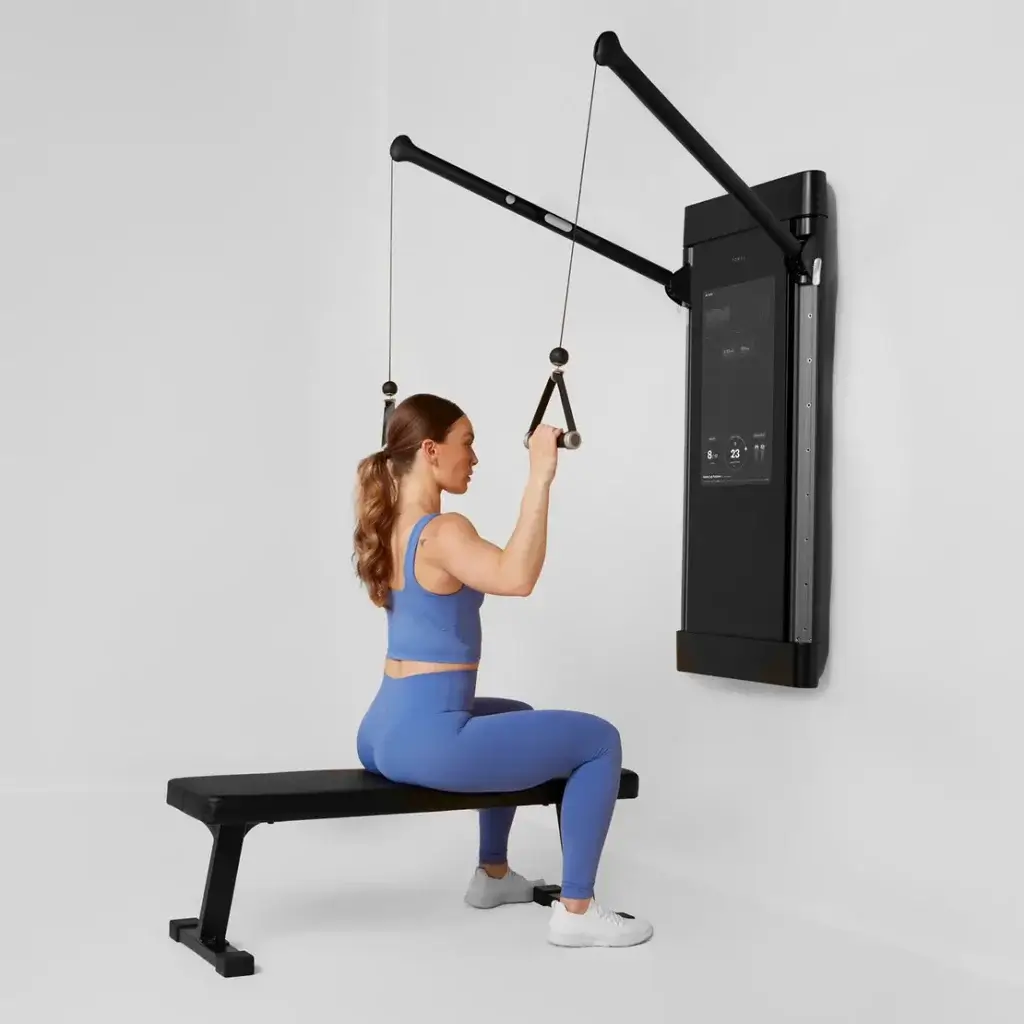
Tonal’s smart home gym equipment
These are useful examples because the experience extends beyond the device itself:
- Oura builds insights around your health data.
- Eight Sleep uses your sleep history and temperature preferences.
- Tonal tracks your training progress.
- Skylight becomes part of how a family keeps its week organized.
These are useful examples because the experience extends beyond the device itself.
Still, “we’ll have more data” needs a better explanation. What gets better because of that data? Does the customer notice? How long would it take someone else to catch up?
Build around those answers, along with reliable hardware, useful integrations, and support customers’ trust. Being first gives you a head start, so use the time to build advantages that last.
5. Raise for the cash cycle.
This is super important. Most hardware companies fail because they don’t manage their cash properly. Map out when money leaves the business and when you expect it to come back.
Factory deposits, R&D, freight, refunds, and the next production order can overlap in ways that make a healthy sales number misleading. You can sell out and still struggle to pay for the next batch.
Raise enough to reach a meaningful next milestone, including testing, production, support, and some room for things to go wrong.
Debt is a whole separate task. Inventory financing and venture debt can depend on different sources of repayment. Understand exactly what pays back the loan and what happens if that money arrives late.
Before signing, run the numbers with slower sales, a delayed shipment, and a batch that needs replacing. Always negotiate net terms with your suppliers.
6. Keep using Meta to learn what makes people buy.
Once the product exists, test real demos, customer experiences, offers, and landing pages. Keep looking for the explanation that helps the right customer understand why it’s worth the money.
When an early campaign works, check what happens as you spend more and reach beyond the most enthusiastic buyers.
Your CAC [customer acquisition cost] target has to fit what’s left after manufacturing, shipping, fees, returns, and support, with money left for the team and future R&D.
If subscriptions make the numbers work, be honest about retention and what it costs to serve customers. Revenue expected over several years won’t pay a factory invoice due next month.
As spending grows, use controlled tests where practical to check how many additional sales the ads actually create.
7. Work with creators whose audience has a reason to care.
For training hardware, look for a coach who can explain where it belongs in a real program. For a family calendar, find someone who can show what happened after their household used it for a few weeks.
Give them enough time to form an opinion. They may find a use case, objection, or frustration you never thought to include in the brief.
Build longer relationships with the creators who bring customers who keep the product, and get permission to use effective demos in paid ads.
Count the whole cost, including fees, commissions, free units, and content production. Judge the partnership by the customers it brings in and what you learn from them.
8. Make the first production run earn the next one.
Before placing a much larger order, put a small batch from the factory in customers’ hands. There’s a lot to learn between a prototype working on your desk and someone using the product at home without your help.
Watch setup problems, failures, returns, continued use, and the time support spends on each customer. Feed those lessons into the next order.
Think about repairs while the design is still flexible. Saving a few dollars on a part can get expensive when replacing it means shipping the entire device across the country.
By the time you order the next batch, you should have a better understanding of who buys, why they keep using it, what breaks, and what each sale leaves in the bank.
Hardware is not for the weak.
Informal is a freelance collective for the most talented independent professionals in hardware and hardtech. Whether you’re looking for a single contractor, a full-time employee, or an entire team of professionals to work on everything from product development to go-to-market, informal has the perfect collection of people for the job.